

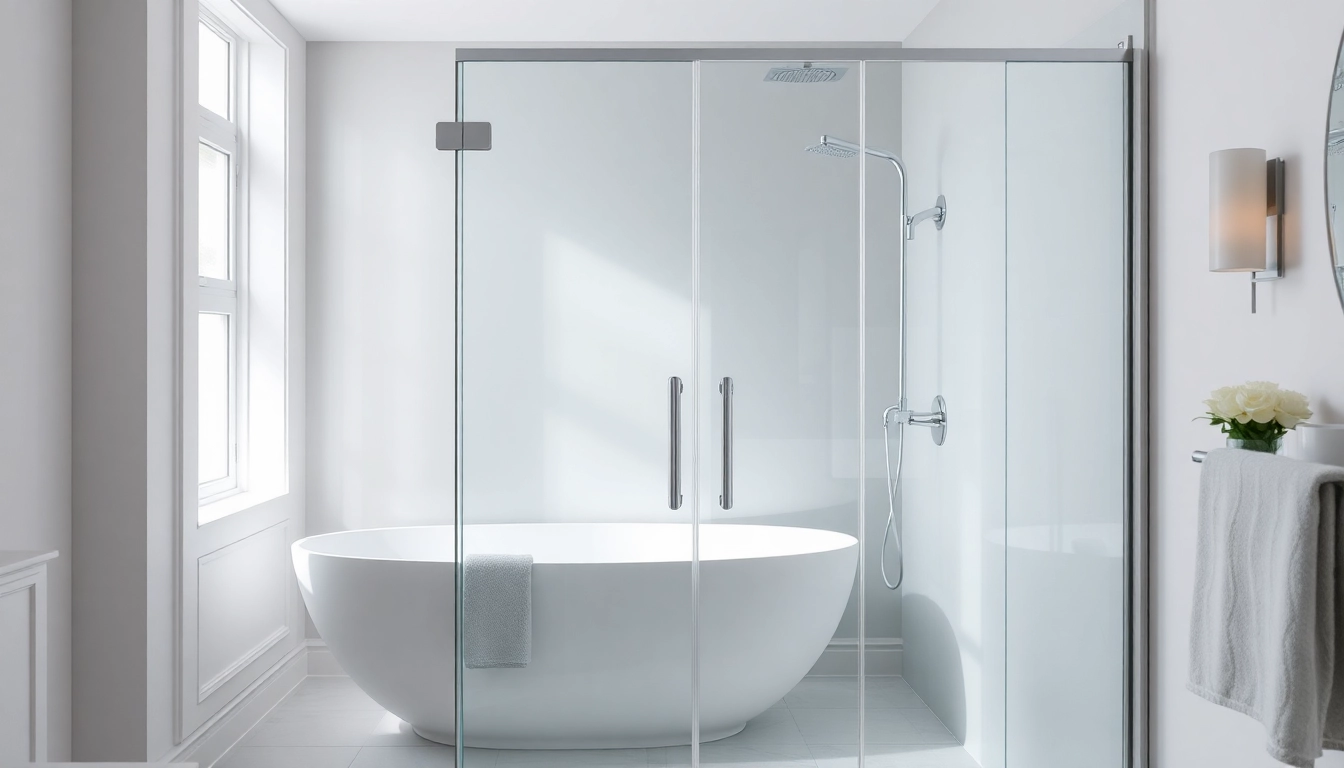
Introduction to Wet Room Shower Screens
A wet room shower screen serves as a stylish yet practical solution for modern bathrooms, enhancing both functionality and aesthetics. Whether you’re renovating your existing space or designing a new bathroom from scratch, incorporating a wet room shower screen can significantly elevate your shower experience. In this article, we will dive deep into the world of wet room shower screens, from understanding their definition and benefits to selecting the right one for your space and maintaining its pristine condition over time.
What is a Wet Room Shower Screen?
A wet room is defined as a waterproofed room that contains a shower and typically offers an open layout without a traditional shower enclosure. The wet room shower screen serves as a partition that is designed to keep water confined to the shower area while allowing the rest of the room to remain dry. These screens can be made from various materials, but glass is the most common, providing a sleek and modern feel. By integrating with the overall design of the wet room, these screens can achieve a seamless and spacious appearance.
Benefits of Installing a Wet Room Shower Screen
Choosing a wet room shower screen offers numerous advantages:
- Enhanced Aesthetics: The transparency of glass screens can create an illusion of space, making the bathroom feel larger and more luxurious.
- Accessibility: Wet room shower screens can accommodate users of all ages and mobility levels, providing ease of access without the need for barriers.
- Easy Maintenance: Unlike shower curtains which can harbor mold and need frequent washing, glass screens are easy to clean and maintain.
- Stylish Variety: They come in various designs, sizes, and finishes, allowing customization to fit any decor.
- Increased Home Value: A well-installed wet room with a glass shower screen can enhance the resale value of your home due to its modern appeal.
Popular Designs and Materials
When it comes to designs, the choices are diverse. From framed to frameless options, a range of styles can match your aesthetic preferences:
- Framed Screens: These screens offer a more robust structure and are generally more affordable. They are fitted with an aluminum frame for added durability.
- Frameless Screens: These provide a minimalist look and often feature thicker glass for stability. Their design enhances the open feel of the wet room.
- Curved Screens: These can fit seamlessly into corners, maximizing space and creating a unique look.
- Materials: Tempered glass is the most common material used due to its strength and safety features. However, options like acrylic or polycarbonate also exist, offering a lightweight and cost-effective alternative.
Choosing the Right Wet Room Shower Screen
Factors to Consider When Selecting
Selecting the right wet room shower screen requires careful consideration of various factors to ensure it meets your needs and fits your bathroom layout.
- Space Dimensions: Measure your bathroom space accurately to determine suitable screen dimensions. A smaller room may benefit from a sliding mechanism while larger spaces can accommodate more elaborate options.
- Design Preference: Choose a design that complements the overall decor of your bathroom, whether that be contemporary, traditional, or something else entirely.
- Budget: Consider the total cost, including installation, to choose a screen that suits your financial capacity.
- Local Climate: In humid environments, opt for materials that resist mold and mildew.
Measure Your Space Accurately
Accurate measurement is critical to ensure a proper fit. Follow these steps for a successful measurement:
- Measure the width of the area where the screen will be installed. If the screen is to be placed on a wall, ensure that it runs parallel.
- Check the height from the floor to the ceiling or wherever you intend to install the screen. Remember, standard heights vary.
- Consider the drainage area for the shower and the position of fixtures like faucets or shelves.
Understanding Different Screen Types
Understanding the different types of wet room shower screens can help you make the right choice:
- Bi-fold Screens: These screens can fold inwards, making them an excellent choice for small spaces.
- Fixed Panels: These are stationary panels that provide an unobstructed view while keeping water contained.
- Sliding Doors: Suitable for narrow areas where swinging doors would be impractical.
- Wet Room Screens: Specifically designed for wet rooms, often taller and wider to accommodate open layouts.
Installation Process for Wet Room Shower Screens
Preparing Your Bathroom
Before starting the installation process, ensure that your bathroom is prepared. Here are some key preparatory steps:
- Remove any existing shower structures to create a blank canvas.
- Ensure that your floors and walls are waterproofed and dry. Any unfinished surfaces need to be protected from moisture.
- Gather necessary tools and materials, including a spirit level, measuring tape, screws, and the wet room shower screen itself.
Step-by-Step Installation Guide
The following steps outline a general procedure to install a wet room shower screen:
- Measure and Mark: Mark where the screen will be attached to the wall using a pencil.
- Install Brackets: If your screen requires wall brackets, install them according to the manufacturer’s instructions. Make sure they are level.
- Attach the Screen: Position the wet room shower screen against the brackets and secure them in place using screws.
- Seal Edges: Apply silicone sealant around the edges to ensure a watertight finish. This is crucial for preventing leaks.
- Final Check: Once secured, double-check the stability of the screen and the correctness of the installation.
Common Mistakes to Avoid
While installing a wet room shower screen, take care to avoid the common pitfalls:
- Incorrect Measurements: Always double-check measurements before cutting or installing anything.
- Poor Sealant Application: Ensure you use the right type and amount of silicone to avoid future leaks.
- Neglecting Ventilation: Ensure the area is well-ventilated during installation for both safety and effectiveness.
Maintenance Tips for Wet Room Shower Screens
Cleaning and Care for Longevity
Proper maintenance is essential to keep your wet room shower screen looking pristine over time. Here are some cleaning tips:
- Use a mild detergent mixed with water to clean the glass. Avoid abrasive cleaners that can scratch the surface.
- Wipe down the glass with a soft cloth or squeegee after each use to prevent soap scum buildup.
- Regularly inspect seals and hardware to ensure they are functioning properly and replace them if they show signs of wear.
Dealing with Hard Water Stains
In regions with hard water, stains can develop more frequently. To combat this:
- Utilize a mixture of vinegar and water to dissolve stains. Apply it to the affected area and scrub gently with a non-abrasive cloth.
- Consider using a water softener in your home to minimize hard water issues.
- Set a regular cleaning schedule to keep stains at bay before they become a larger issue.
When to Seek Professional Help
While many maintenance tasks can be done independently, some situations may require professional assistance:
- If you notice persistent leaks, it might indicate improper installation or damaged seals.
- For extensive hard water damage that cleaning does not remedy, a professional service can provide more targeted treatment.
- If you’re unsure about your abilities during installation or repairs, consult a professional to avoid damaging your wet room shower screen.
FAQs About Wet Room Shower Screens
How do I clean a wet room shower screen?
Use a mild detergent and a soft cloth. Avoid abrasive materials to prevent scratches.
Can I install a wet room shower screen myself?
Yes, but proper measurements and skills are needed. Consider hiring a professional for best results.
Are wet room shower screens water-resistant?
Yes, they are designed to withstand moisture, offering a stylish and functional solution.
What is the best material for a wet room shower screen?
Tempered glass is ideal for durability and safety while offering a modern look.
How do I prevent mildew on my wet room shower screen?
Ensure proper ventilation and clean screens regularly to minimize moisture buildup.