

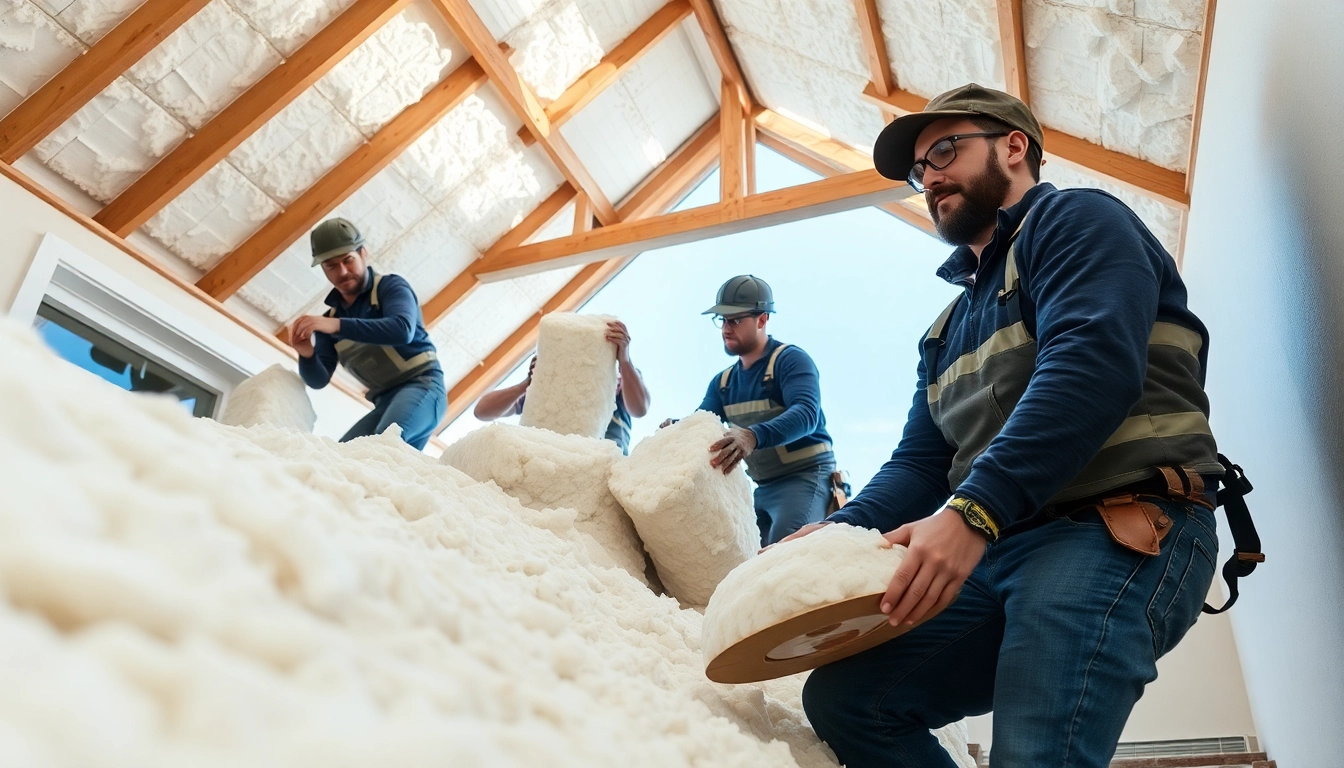
Understanding the Roof Insulation Removal Process
What Is Roof Insulation Removal?
Roof insulation removal is the meticulous process of extracting insulation materials from a roof structure. This undertaking is essential for maintaining the structural integrity and energy efficiency of a building. Over time, insulation can become damaged, contaminated, or lose its effectiveness, leading to increased energy bills and potential hazards. Therefore, engaging with a roof insulation removal company is often the ideal choice for this intricate procedure.
Why Is Roof Insulation Removal Important?
The importance of roof insulation removal cannot be overstated. First and foremost, if insulation material becomes waterlogged, it can become a breeding ground for mold, mildew, and pests, significantly impacting indoor air quality and health. Additionally, outdated or damaged insulation may not provide optimal thermal resistance, leading to overheating in summer and excessive heating costs in winter. Furthermore, by removing these ineffective materials, homeowners can replace them with more modern, efficient options that optimize energy conservation and comfort.
Common Types of Insulation to be Removed
There are various insulation materials that may require removal, including:
- Fiberglass Insulation: Often installed in attics, this material can absorb moisture, leading to mold.
- Spray Foam Insulation: While effective, it can degrade or be improperly installed, leading to air leaks.
- Cellulose Insulation: Made from recycled paper, it can become damp and sag over time.
- Rock Wool Insulation: Although it’s fire-resistant, it can be heavy and absorb water.
- Polystyrene Insulation: Used in various forms, it can deteriorate, leading to inefficient insulation performance.
Choosing a Reliable Roof Insulation Removal Company
Key Qualities to Look For
When it comes to selecting a reliable roof insulation removal company, several key qualities should be prioritized:
- Experience: Look for a company with a proven track record in insulation removal.
- Certifications: Ensure that the company holds relevant licenses and certifications.
- Insurance: A reputable contractor should be fully insured to cover any accidental damage and liabilities.
- Service Range: The best companies offer comprehensive services, including assessment and installation of new insulation.
- Transparency: Ensure they provide clear information about the process, costs, and timeline.
Checking Company Credentials
Verifying the credentials of a roof insulation removal company is crucial. Start by checking their online presence, licensing information, and whether they meet local regulations. Additionally, asking for references or examples of completed projects can bolster confidence in their capabilities. An established company will also showcase certifications from recognized industry bodies, emphasizing their commitment to quality and safety standards.
Customer Reviews and Testimonials
Customer feedback is a valuable resource when evaluating potential companies. Look for reviews on independent platforms and testimonials published on the company’s website. Genuine customer experiences can provide insights into a company’s reliability, service quality, and overall performance. Pay attention to recurring themes in reviews regarding cleanliness, timeliness, and communication, as these are indicative of the value you can expect.
Steps Involved in Safe Insulation Removal
Preparation and Planning
Preparation is crucial for a successful insulation removal project. Before the removal process begins, a thorough assessment of the insulation type and condition should be conducted. This involves the following steps:
- Conducting a safety assessment to identify potential hazards.
- Planning for disposal of the removed materials, ensuring compliance with local regulations.
- Preparing the workspace by covering floors, moving furniture, and ensuring proper ventilation.
- Outlining a detailed timeline and strategy with the roofing specialists.
Execution of Removal Process
The actual removal process can vary based on insulation type, but it typically follows these general steps:
- Establishing safety protocols, including the use of personal protective equipment (PPE).
- Carefully removing the existing insulation without damaging the roof or surrounding structures.
- Disposing of the materials responsibly, adhering to environmental guidelines.
Throughout this phase, skilled professionals will ensure that the removal is conducted efficiently while minimizing disruption to the home environment.
Post-Removal Cleanup and Inspection
Once the insulation is successfully removed, the next steps are essential for ensuring that the area is safe and ready for new insulation. This includes:
- Conducting a thorough clean-up of any remaining debris or materials.
- Inspecting the roof space for damage or vulnerabilities that may require repair.
- Providing a final report and recommendations for insulation replacement.
At this stage, professionals will also advise on the best insulation materials to meet the specific needs of the building based on factors like climate and energy efficiency goals.
Cost Factors for Roof Insulation Removal
Variable Costs in Different Materials
The cost of roof insulation removal can vary significantly depending on the type of insulation. For example:
- Fiberglass insulation removal tends to be less expensive due to its lightweight nature.
- Cellulose insulation may incur higher costs due to its potential for moisture issues and additional labor for removal.
- Spray foam insulation typically presents the highest costs due to its complex removal process.
Understanding these variables is crucial for homeowners when budgeting for the project.
Labor Costs and Time Expectations
Labor costs can also fluctuate based on a variety of factors, including regional rates and the complexity of the removal. On average, homeowners can expect to pay for both the removal and installation of new insulation:
- Labor costs may range from £40 to £60 per hour.
- The time frame for a complete removal and installation may take between one to three days, depending on the insulation type and area size.
Homeowners should discuss time expectations with their chosen roof insulation removal company before beginning the work to avoid unforeseen delays.
Potential Additional Expenses
When budgeting for roof insulation removal, it’s essential to account for potential additional expenses, which may include:
- Structural repairs needed before new insulation installation.
- Disposal fees for specific insulation materials that cannot be placed in landfills.
- Inspection costs to assess the integrity of the roof post-removal.
By considering these potential expenses, homeowners can better prepare for financial obligations related to insulation removal and replacement.
Frequently Asked Questions About Roof Insulation Removal
What Is the Average Cost of Roof Insulation Removal?
The average cost can vary widely, but homeowners typically pay between £500 to £1500, depending on insulation type and area size.
How Long Does the Insulation Removal Process Take?
The removal process can take one to three days based on various factors, including insulation type and the complexity of the job.
What Safety Precautions Are Taken?
Professional companies implement numerous safety precautions, including PPE, proper ventilation, and equipment to handle hazardous materials, ensuring worker and occupant safety.
Can I Stay in My Home During Removal?
Staying in your home during insulation removal is usually not recommended due to dust and potential contaminants, but it can depend on the specific project.
How Do I Choose the Right Company?
Choosing the right company requires assessing experience, client reviews, certifications, and transparency in services and pricing.