

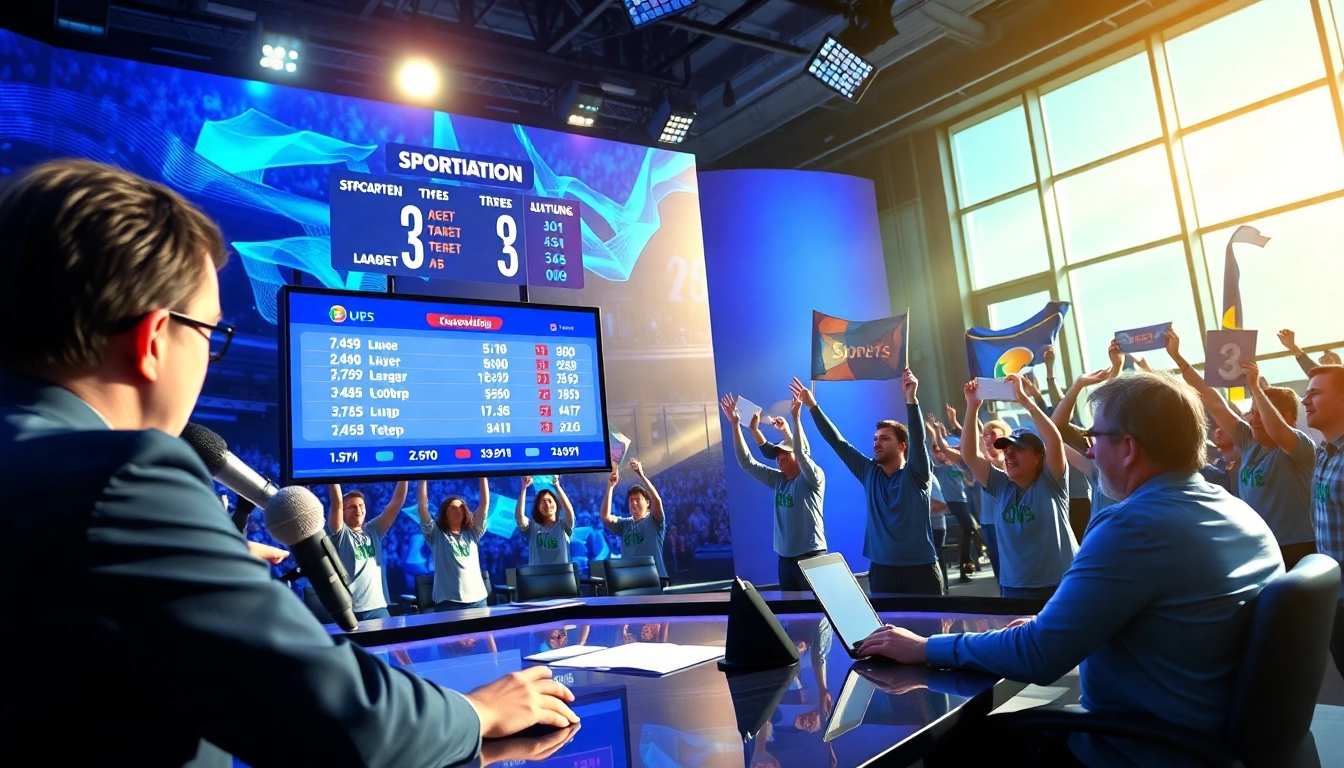
Understanding the Basics of Sports Broadcasting
Sports broadcasting has evolved into a powerful medium that brings live sporting events directly into the homes of millions of fans around the world. This dynamic field combines aspects of entertainment, journalism, and technology to provide engaging content aimed at diverse audiences. Understanding the fundamentals of Sports Broadcasting is essential for anyone looking to make a mark in this field.
History of Sports Broadcasting
The journey of sports broadcasting began in the early 20th century with radio broadcasts of sporting events. As technology progressed, television brought sports to life, captivating audiences with visual storytelling. Major milestones in the sport broadcasting timeline include the first televised baseball game in 1939 and the introduction of instant replay in the 1960s, which revolutionized how fans experienced games. From humble beginnings, sports broadcasting now includes global networks that provide 24/7 coverage of sporting events across various platforms.
Key Concepts and Terminology
To fully grasp the landscape of sports broadcasting, it’s important to familiarize yourself with key terminology. Terms like play-by-play, color commentary, and telecast form the backbone of live sports reporting. Play-by-play refers to the detailed description of on-field actions, while color commentary adds context, statistics, and background stories. Understanding these concepts enhances both the production and consumption of sports broadcasts.
Types of Sports Broadcasting
Sports broadcasting can be categorized into several types: live broadcasts, highlights, and sports analysis shows. Live broadcasts deliver real-time coverage of events, while highlights offer condensed recaps. Analysis shows provide expert insights and discussions about games, players, and strategies, engaging audiences beyond the actual events. Each type serves a unique purpose in the ecosystem of sports media and contributes to the overall fan experience.
Technology’s Role in Sports Broadcasting
Live Streaming and Broadcasting Tools
With the rise of digital platforms, live streaming technology has become a game-changer in sports broadcasting. Specialized tools and software now enable networks to deliver high-quality live content to audiences across geographies. The ability to stream live events online allows fans to engage with their favorite sports teams on various devices from anywhere in the world. This shift has also encouraged wider accessibility, benefitting niche sports that previously struggled for airtime.
Impact of Social Media on Sports Coverage
Social media has radically transformed the way sports are covered and consumed. Platforms like Twitter, Facebook, and Instagram allow fans to receive real-time updates, share opinions, and engage in conversations around sports events. Additionally, broadcasters leverage social media for marketing purposes, promoting upcoming games and creating buzz around special moments. The interactive capabilities of social media create a two-way communication channel between broadcasters and fans, enriching the viewing experience.
Emerging Technologies in Sports Broadcasting
Emerging technologies such as artificial intelligence, augmented reality, and virtual reality are significantly enhancing the sports broadcasting landscape. AI-powered tools can analyze player performance and deliver actionable insights for broadcasters, while AR and VR offer immersive viewing experiences for fans. These technologies not only increase engagement but also open new revenue streams through innovative advertising opportunities and partnerships.
Creating Engaging Sports Broadcasting Content
Crafting the Perfect Sports Narrative
A compelling sports broadcast goes beyond simply reporting scores; it tells a story that captivates the audience. This narrative is built around the emotional highs and lows experienced during a game. Successful broadcasters weave personal stories about athletes, history about rivalries, and context about the significance of events which transforms standard coverage into an engaging experience. Including various perspectives and human-interest angles further enriches the narrative and connects with viewers.
Utilizing Visual and Audio Elements
Visual and audio elements play critical roles in enhancing the sports broadcasting experience. High-definition video, graphics, and slow-motion replays bring action to life, while well-curated audio, including crowd noise and commentary, creates an authentic atmosphere. Balancing these elements effectively can stimulate a greater emotional response from audiences and foster a deeper connection to the game being broadcasted.
Involving the Audience in Sports Broadcasts
Modern sports broadcasts benefit greatly from audience involvement. Integrating polls, live social media feeds, and fan-submitted content can foster a sense of community among viewers. Presenters can engage directly with audiences through real-time feedback and suggestions during broadcasts, thereby making the viewing experience more interactive and personalized. Such strategies encourage audience investment and loyalty, crucial for broadcast success.
Best Practices for Sports Broadcasting Teams
Building a Cohesive Team Dynamic
A successful sports broadcasting team thrives on collaboration and effective communication. Each member, from producers and camera operators to commentators, plays a pivotal role in delivering seamless content. Regular team meetings, clear role definitions, and shared goals foster a culture of professionalism and creativity, enabling teams to respond dynamically to the fast-paced nature of sports events.
Training and Preparing for Live Events
Preparation is key in sports broadcasting. Comprehensive training sessions that simulate live conditions can help teams develop the necessary skills to handle the unexpected. Strategies for crisis management and quick decision-making should be instilled through practice drills, ensuring that teams remain composed under pressure. Continual learning through workshops and mentorship can also enhance skills and keep teams updated on industry trends.
Maintaining Ethical Standards in Broadcasting
Ethics play a crucial role in sports broadcasting. Maintaining impartiality, reporting accurately, and respecting athlete privacy should guide all broadcasting practices. Adopting a transparent approach fosters trust with audiences while promoting responsible journalism. By establishing ethical guidelines, broadcasters can uphold standards that reflect integrity and respect for the sport and the players involved.
Measuring Success in Sports Broadcasting
Key Performance Indicators for Broadcasts
To evaluate the effectiveness of sports broadcasts, teams should focus on key performance indicators (KPIs). Metrics such as viewership numbers, engagement rates, and social media interactions offer insights into audience preferences and trends. Tracking these KPIs helps broadcasters refine their strategies, ensuring that they consistently deliver engaging content that resonates with viewers.
Gathering Viewer Feedback and Ratings
Collecting viewer feedback is crucial for continuous improvement in sports broadcasting. Surveys, focus groups, and real-time social media comments help teams understand audience expectations. Incorporating feedback leads to a more tailored broadcasting experience that aligns with viewer desires. Ratings from industry standards also offer benchmarks for measuring overall broadcasting success.
Strategies for Continuous Improvement
The sports broadcasting field is ever-evolving; thus, embracing continuous improvement is essential. Regularly assessing broadcast performances, studying audience behavior, and analyzing competitor strategies can unveil opportunities for enhancement. Engaging in industry networking and learning from pioneers in the field can provide inspiration and innovative solutions to challenges faced within broadcasting teams.
FAQs About Sports Broadcasting
What is sports broadcasting?
Sports broadcasting involves the live airing or recording of sporting events through TV, radio, or online platforms, delivering real-time content to audiences.
How has technology changed sports broadcasting?
Technology has enhanced sports broadcasting through live streaming, social media engagement, and innovations like AI and VR, creating more interactive viewing experiences.
What are key metrics for measuring broadcast success?
Key metrics include viewership numbers, audience engagement levels, social media interactions, and overall ratings, providing insights into audience preferences.
Why is storytelling important in sports broadcasting?
Storytelling enriches broadcasts by engaging audiences emotionally, allowing them to connect with players and the significance of events beyond just scores.
How can broadcasters ensure ethical reporting?
Broadcasters should adhere to impartiality, accuracy, and respect for athletes’ privacy, maintaining ethical standards that build trust with viewers.